
LGBT+ Travel in Morocco: What LGBTQ+ Travelers Should Know
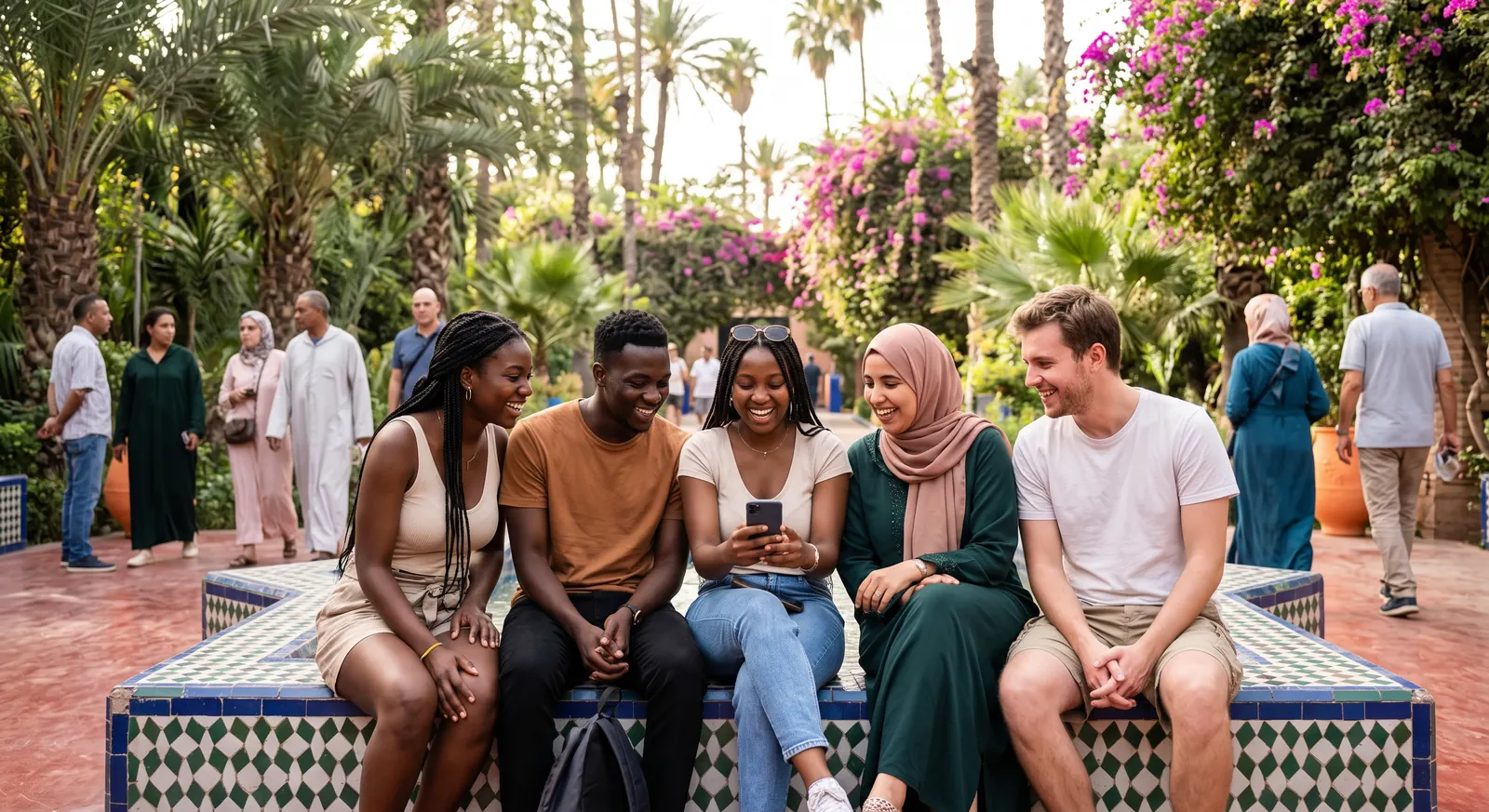
Planning LGBT travel in Morocco? Learn about Marrakech, the Sahara, local culture, public affection, rural areas, safety and practical advice for LGBTQ+ travelers.
_Planning a trip to Morocco as an LGBTQ+ traveler?_
Morocco is a fascinating destination of colorful cities, ancient medinas, Atlas Mountain villages, Atlantic beaches and the Sahara Desert.
For LGBTQ+ travelers, Morocco can be an incredible experience, but it is important to understand the country’s laws, culture and social environment before you arrive.
At Mouha Travel, we believe in giving travelers honest and practical advice. Morocco is culturally conservative in many respects, particularly regarding sexuality and public displays of affection. At the same time, LGBTQ+ travelers visit Morocco every year and many have memorable and positive experiences.
The key is simple:
Enjoy Morocco, respect the local culture, protect your privacy and use common sense.
_Is Morocco Safe for LGBT+ Travelers?_
LGBTQ+ travelers should understand that Morocco is not an openly LGBTQ+-friendly destination in the same sense as countries where same-sex relationships are legally protected and publicly accepted.
Same-sex sexual relations are illegal under Moroccan law. Current UK government travel advice also warns that public displays of affection can lead to prosecution and highlights potential risks associated with meeting people through dating applications.
For the latest official information, travelers should check their government’s travel advice before visiting Morocco:
https://www.gov.uk/foreign-travel-advice/morocco ↗
However, the legal situation does not mean that LGBTQ+ travelers cannot visit Morocco.
Many LGBTQ+ travelers visit the country and have enjoyable experiences, particularly when they understand local customs and exercise discretion.
A recent firsthand account from a gay couple who visited Marrakech describes their experience traveling together and explains how being discreet and respectful of local culture helped them enjoy their trips:
https://www.travelingboyfriends.com/blog/gay-travel-marrakech-morocco ↗
Individual experiences vary, so online traveler stories should be viewed as personal experiences rather than guarantees.
LGBT+ Travel in Marrakech
Marrakech is one of Morocco’s most international destinations.
The city welcomes visitors from all over the world and has a large tourism industry, with international hotels, riads, restaurants, guides and travel companies.
For LGBTQ+ travelers, Marrakech can be a comfortable place to explore Morocco when normal discretion is observed.
You can enjoy the medina, visit the souks, discover the city’s architecture, experience Moroccan food, relax in a hammam or take day trips into the surrounding mountains.
However, Marrakech remains part of Moroccan society. Although the city is very accustomed to international tourism, it is not a destination where public displays of same-sex affection should be treated as normal or expected.
Our advice is simple:
Enjoy Marrakech openly as a traveler, but keep intimate moments private.
Can Same-Sex Couples Travel Together in Morocco?
Yes. Same-sex couples do travel together in Morocco.
You can explore the country together, enjoy restaurants, stay in hotels, take private tours, visit the desert and experience Moroccan culture.
The important distinction is between traveling together and displaying affection publicly.
Kissing, making out or behaving sexually in public should be avoided.
This is not only an LGBTQ+ issue. Moroccan society is generally more conservative about public displays of affection than many Western countries.
Walking together, having dinner together, taking photographs and enjoying your trip are very different from displaying intimate affection in a public place.
Keep romantic affection private and enjoy the rest of your journey freely.
Do LGBTQ+ Travelers Need to Hide Their Identity?
Not necessarily.
Respecting Moroccan culture does not mean that LGBTQ+ travelers should feel ashamed of who they are.
At the same time, Morocco is a country where conversations about sexuality can be more private and sensitive than they are in many Western countries.
You do not need to announce your sexuality to everyone you meet, and you do not need to debate your personal life with strangers.
If someone asks a personal question that makes you uncomfortable, you can simply change the subject.
Privacy is not the same as shame.
You can be comfortable with your identity while understanding that you are visiting a different cultural environment.
Public Displays of Affection in Morocco
This is one of the most important practical considerations for LGBTQ+ couples.
We recommend avoiding:
Again, this principle applies to couples generally.
Morocco has a more conservative approach to public affection than many European or North American destinations.
Keep intimate moments private, especially in busy public places, traditional neighborhoods and rural communities.
Respect Moroccan Culture
One of the best ways to enjoy Morocco is to approach the country with curiosity rather than judgment.
You will encounter traditions, customs and social attitudes that may be different from those you are used to.
You do not have to agree with everything you encounter.
But you should respect the fact that you are visiting another country.
For LGBTQ+ travelers, this can be particularly important.
You do not need to prove your opinions to locals.
You do not need to convince someone that your worldview is correct.
And you do not need to turn every cultural difference into a confrontation.
If someone expresses an opinion you disagree with, it is usually better to politely move on.
You are on holiday. You do not need to win an argument with a stranger.
Your goal is to discover Morocco, meet people, enjoy Moroccan food and create unforgettable memories.
LGBTQ+ Travel in Rural Morocco
Morocco is a very diverse country.
Marrakech, Casablanca, Essaouira and other major tourist destinations have large international tourism industries. However, when you travel into smaller towns and rural communities, social attitudes can be considerably more traditional.
This is especially relevant when visiting:
These places can provide some of the most authentic and memorable experiences in Morocco.
They are also places where cultural awareness matters most.
When visiting rural communities, we recommend:
This does not mean LGBTQ+ travelers should avoid rural Morocco.
Quite the opposite.
Some of Morocco’s most beautiful experiences are found far away from the major cities.
Just travel with awareness and respect.
Visiting the Sahara Desert as an LGBTQ+ Traveler
The Sahara Desert is one of the highlights of traveling through Morocco.
A typical desert journey may include the Atlas Mountains, Aït Ben Haddou, the Dades Valley, Todra Gorge, Merzouga and the Sahara dunes.
LGBTQ+ travelers can enjoy these experiences just like any other visitor.
You can ride camels at sunset, enjoy a desert camp, watch the stars and discover the landscapes of southern Morocco.
However, reaching the Sahara usually means traveling through smaller towns and villages where social attitudes may be more conservative.
This is where having a knowledgeable local driver or guide can be especially useful.
At Mouha Travel, we help travelers understand local customs and navigate different environments throughout their journey.
You should never feel embarrassed to ask your guide whether something is appropriate.
Hotels and Riads for LGBTQ+ Travelers
Accommodation policies can vary between individual hotels and riads.
For a smoother experience, we recommend choosing reputable accommodation with established tourism experience.
Internationally oriented hotels and professionally managed riads are accustomed to welcoming travelers from many different countries and backgrounds.
If you are unsure about a particular property, ask before booking.
Mouha Travel can also help you select accommodation according to your preferred style, location and budget.
Clothing and Cultural Etiquette
You do not need to dress traditionally to visit Morocco.
However, modest clothing is generally appreciated, especially outside major tourist areas.
When visiting villages, traditional neighborhoods, religious sites or local communities, consider dressing more conservatively.
For example:
This is not specifically an LGBTQ+ rule.
It is simply good travel etiquette.
Should LGBTQ+ Travelers Use Dating Apps in Morocco?
This is an area where travelers should be particularly careful.
Current UK government travel advice warns that dating applications can involve legal, personal-safety and privacy risks in Morocco.
UK Government — Morocco: Safety and Security ↗
There are also discussions within LGBTQ+ travel communities about potential scams, extortion and unsafe meetings.
These are individual reports and do not mean that every interaction is dangerous. However, travelers should understand the risks.
Avoid unnecessary exposure to situations such as:
If a situation feels suspicious or uncomfortable, leave.
LGBTQ+ Travelers and Moroccan Hospitality
One of the things many visitors remember about Morocco is its hospitality.
You may experience this while drinking mint tea with a family in the mountains, eating with locals, meeting artisans in the medina or talking with people during your journey.
Hospitality and attitudes toward sexuality are not necessarily the same thing.
A Moroccan person can be extremely welcoming to you as a traveler while also holding traditional or conservative personal beliefs.
Understanding this distinction can make cultural interactions much easier.
Approach people with respect, and you will often find that Moroccan hospitality is one of the most memorable parts of your trip.
What Other LGBTQ+ Travelers Say About Morocco
Reading firsthand experiences can be useful when planning your trip.
A gay couple who visited Marrakech shared their experience of traveling together and discussed topics including hotels, public affection and cultural expectations:
Traveling Boyfriends — Gay Travel in Marrakech, Morocco ↗
You can also find discussions from LGBTQ+ travelers on Reddit about visiting Marrakech and traveling through Morocco:
Reddit — LGBTQ+ travelers discussing Marrakech ↗
Reddit — Gay couple’s experience touring Morocco ↗
These are personal experiences rather than official safety recommendations. Conditions, laws and individual experiences can change, so travelers should always check current official travel advice before departure.
Our Advice for LGBTQ+ Travelers Visiting Morocco
If you are planning a trip to Morocco, keep these simple principles in mind:
1. Come and experience Morocco
Do not let uncertainty stop you from discovering an incredible country.
1. Keep public affection discreet
Avoid kissing, making out and other intimate behavior in public.
1. Respect local customs
This is especially important when visiting villages, rural communities and religious or culturally sensitive places.
1. Avoid unnecessary confrontations
You do not need to prove your opinions or challenge locals about sexuality, religion or social values.
Respectful disagreement is one thing. Deliberately provoking a confrontation is another.
1. Be more careful outside major tourist areas
Rural Morocco can be considerably more conservative than Marrakech or Essaouira.
1. Choose reputable accommodation
Established hotels and tourism businesses can provide a more comfortable and predictable experience.
1. Listen to your local guide
A knowledgeable local guide can explain cultural differences and help you understand what is appropriate in different situations.
1. Protect your privacy
Be particularly thoughtful about dating apps, intimate photographs, social media and sharing personal information.
1. Remember that respect works both ways
LGBTQ+ travelers deserve to be treated professionally and respectfully.
At the same time, visitors should extend the same respect to Moroccan communities and their traditions.
Why Travel With Mouha Travel?
At Mouha Travel, we specialize in private and personalized Morocco experiences.
Every traveler is different.
Some want to explore Marrakech. Others want to hike in the Atlas Mountains, discover Amazigh villages, travel through the Dades Valley, visit Aït Ben Haddou or spend several nights in the Sahara.
Our role is to organize the journey while helping you understand the country you are visiting.
For LGBTQ+ travelers, this can include:
Most importantly, we want you to feel comfortable asking questions before you arrive.
If you are unsure about a destination, accommodation, activity or cultural situation, simply ask us.
Morocco Is Waiting
Morocco is not a destination where travelers should ignore local laws or cultural expectations.
But cultural differences do not mean that LGBTQ+ travelers cannot have an incredible experience here.
With realistic expectations, cultural awareness, discretion and good planning, many LGBTQ+ travelers have visited Morocco and returned home with unforgettable memories.
Explore the souks of Marrakech.
Watch the sunset over the Atlantic in Essaouira.
Cross the Atlas Mountains.
Discover Amazigh villages.
Share Moroccan food with locals.
Ride camels through the Sahara.
Sleep beneath the desert stars.
Travel respectfully. Travel confidently. And discover Morocco your way with Mouha Travel.
Frequently Asked Questions
Is Morocco safe for gay travelers?
LGBTQ+ travelers do visit Morocco and many report positive experiences. However, same-sex sexual relations are illegal under Moroccan law, and public displays of affection can create legal or social problems. Travelers should understand the local environment and exercise discretion.
Is Marrakech safe for gay couples?
Marrakech is one of Morocco’s most international tourist destinations, and LGBTQ+ couples have reported positive experiences there. However, public displays of affection should be avoided and Moroccan cultural norms should be respected.
Can gay couples stay in the same hotel room in Morocco?
Accommodation policies vary. Reputable hotels and riads regularly host international travelers, but couples with concerns should check the property’s policy before booking.
Can LGBTQ+ travelers visit the Sahara Desert?
Yes. LGBTQ+ travelers can enjoy private Sahara tours, camel rides, desert camps and other experiences. Additional cultural discretion is recommended when traveling through rural communities.
Should gay couples hold hands in Morocco?
It is better to avoid intimate public displays of affection. Kissing and making out in public should particularly be avoided.
Can lesbian travelers visit Morocco?
Yes. Lesbian travelers visit Morocco, and the same general principles apply: respect local customs, avoid intimate public displays and exercise additional discretion in conservative or rural areas.
Is Morocco LGBTQ-friendly?
Morocco should not be described as an openly LGBTQ+-friendly destination. Same-sex sexual relations remain illegal and social attitudes can be conservative. Nevertheless, LGBTQ+ travelers do visit Morocco and many report positive experiences when they understand the local environment and exercise appropriate discretion.
Do I need to tell my Moroccan guide that I am LGBTQ+?
No. You should never feel pressured to disclose personal information. However, if you have concerns about accommodation, activities or cultural situations, discussing them privately with a trusted travel professional can help you plan more comfortably.
Is rural Morocco different?
Yes. Rural communities can be more conservative than major tourist destinations. Travelers should pay particular attention to clothing, public behavior and local customs when visiting villages and remote areas.
A Final Note From Mouha Travel
We believe good travel advice should be honest.
We will not tell you that Morocco has the same social environment as Amsterdam, Madrid or New York.
It does not.
But we also do not believe that cultural differences mean you cannot have an incredible experience here.
Come with an open mind. Respect the country you are visiting. Protect your privacy. Use common sense. And allow Morocco to surprise you.
If you are planning a Morocco trip and have questions about traveling as an LGBTQ+ visitor, Mouha Travel is happy to help you plan your journey privately and professionally.
Mouha Travel — Discover Morocco, Your Way.
Planning an LGBTQ+ Morocco Itinerary With More Privacy and Flexibility
For LGBTQ+ travelers, a private Morocco itinerary can make practical planning easier because accommodation, transport and activities can be discussed in advance. This is particularly useful for couples who want clear information about room arrangements, rural stops, desert camps or cultural expectations without having to explain the same concerns repeatedly during the trip.
Marrakech, Essaouira and other major tourism destinations are accustomed to international visitors, while small villages and remote areas may be more socially conservative. The experience is therefore not only about a national rule; it also depends on the setting. A trusted local guide or driver can help you read that context without turning your entire holiday into a list of restrictions.
LGBTQ+ Travel From Marrakech to the Sahara Desert
A private Sahara Desert tour from Marrakech normally passes through the High Atlas Mountains, kasbahs, valleys, smaller towns and rural communities before reaching Merzouga or another desert area. LGBTQ+ travelers can enjoy the same landscapes, camel rides, desert camps and cultural experiences as other visitors. The practical advice is simply to be more discreet with intimate public affection as the trip moves into more traditional areas.
Frequently Asked Planning Questions
Is a private Morocco tour useful for LGBTQ+ couples? It can be. Private travel gives couples more control over accommodation, pace, transport and communication with local partners.
Can LGBTQ+ travelers take a Sahara tour from Marrakech? Yes. LGBTQ+ visitors travel to the Sahara, Atlas Mountains and other parts of Morocco. Cultural discretion is especially useful in rural areas.
Should LGBTQ+ travelers avoid Morocco completely? That is a personal decision. Morocco has conservative laws and social attitudes, but LGBTQ+ travelers do visit the country. The article’s advice is to understand the legal and cultural context before deciding.
Can a travel company answer sensitive questions privately? A professional operator should be able to discuss accommodation, itinerary and cultural concerns discreetly before booking.
*
Continue planning
Related Morocco travel advice
Time-sensitive information last checked: 26 August 2026.
Read next
More Morocco Travel Guides
View All Guides →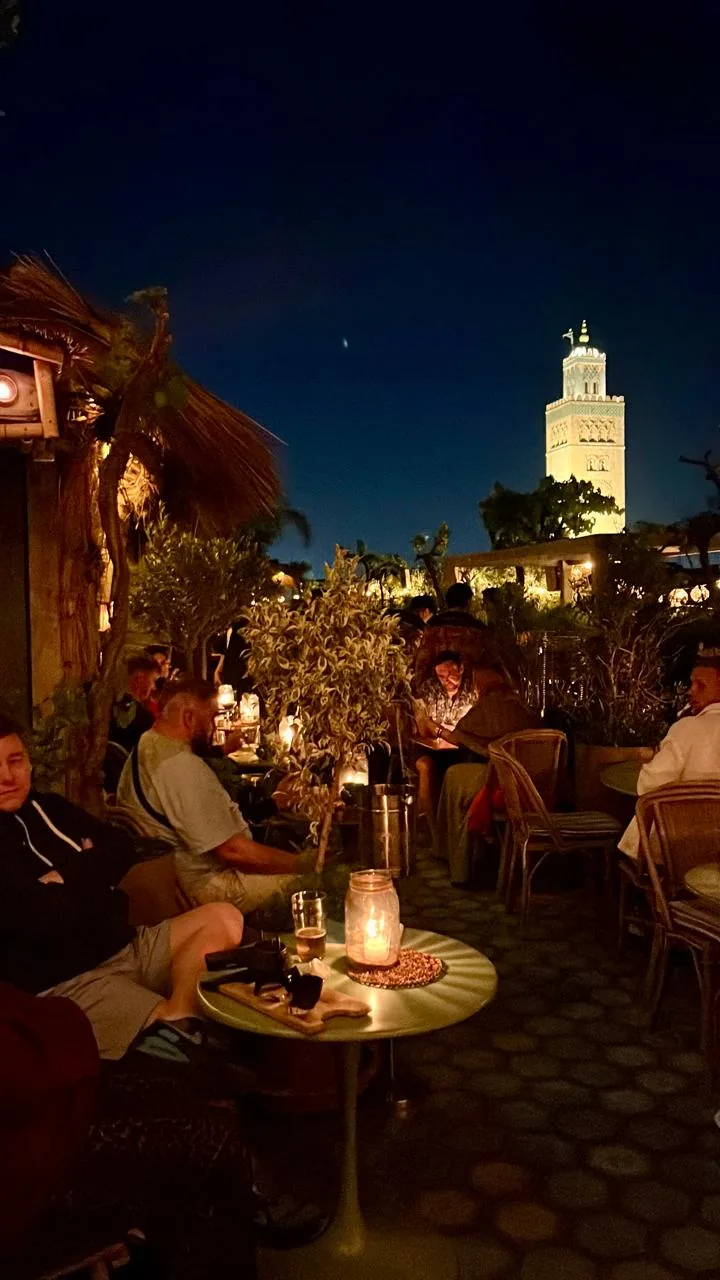
Marrakech Best Of: Our Local Picks
Our favorite rooftops, restaurants, cafés and riads in Marrakech — handpicked by Mouha Travel.
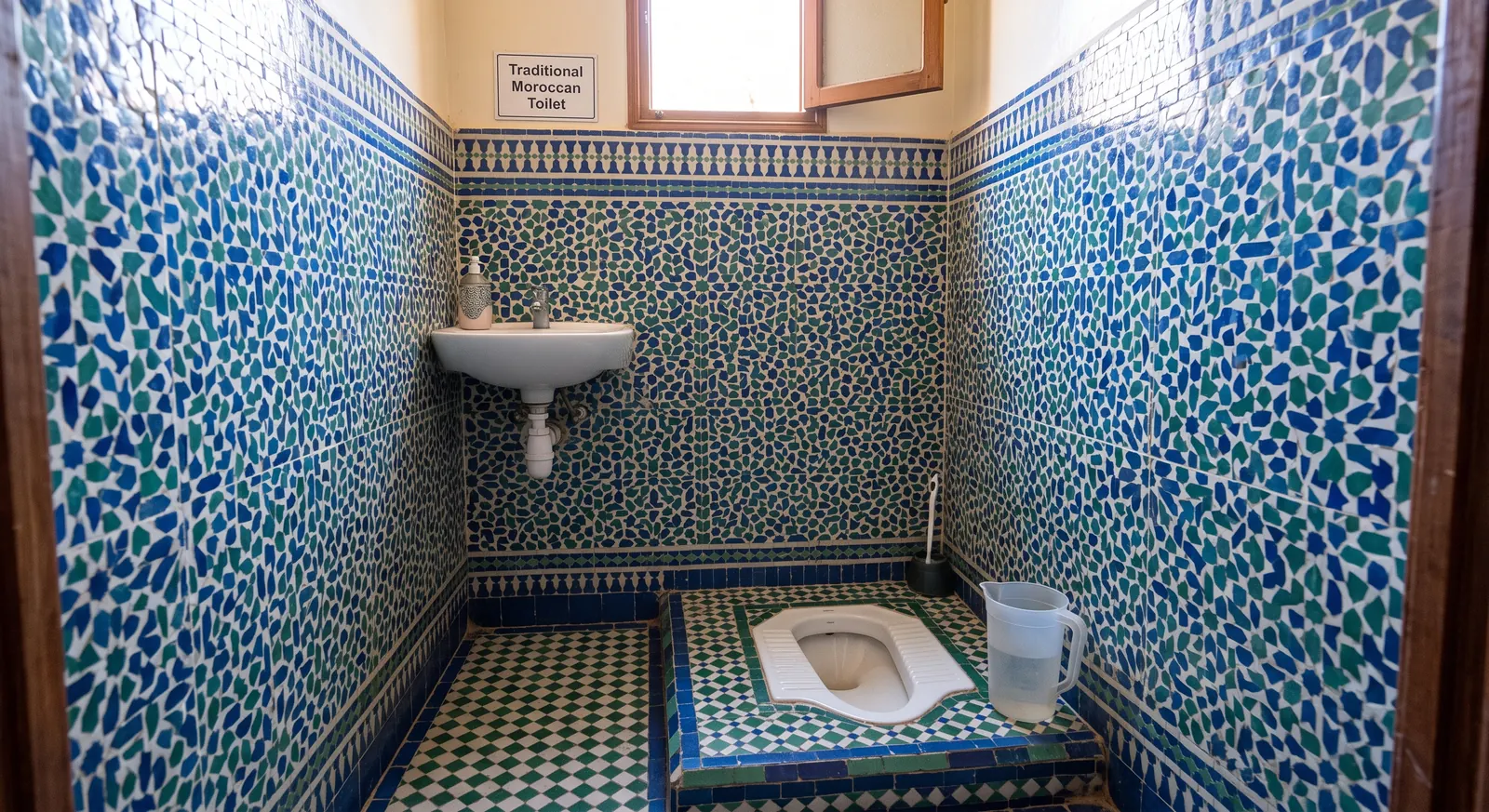
Bathrooms in Morocco: What Travelers Should Know Before Visiting Marrakech and Beyond
Wondering what bathrooms are like in Morocco? Learn about toilets in Marrakech, squat toilets, toilet paper, road-trip stops and Sahara desert camp bathrooms.
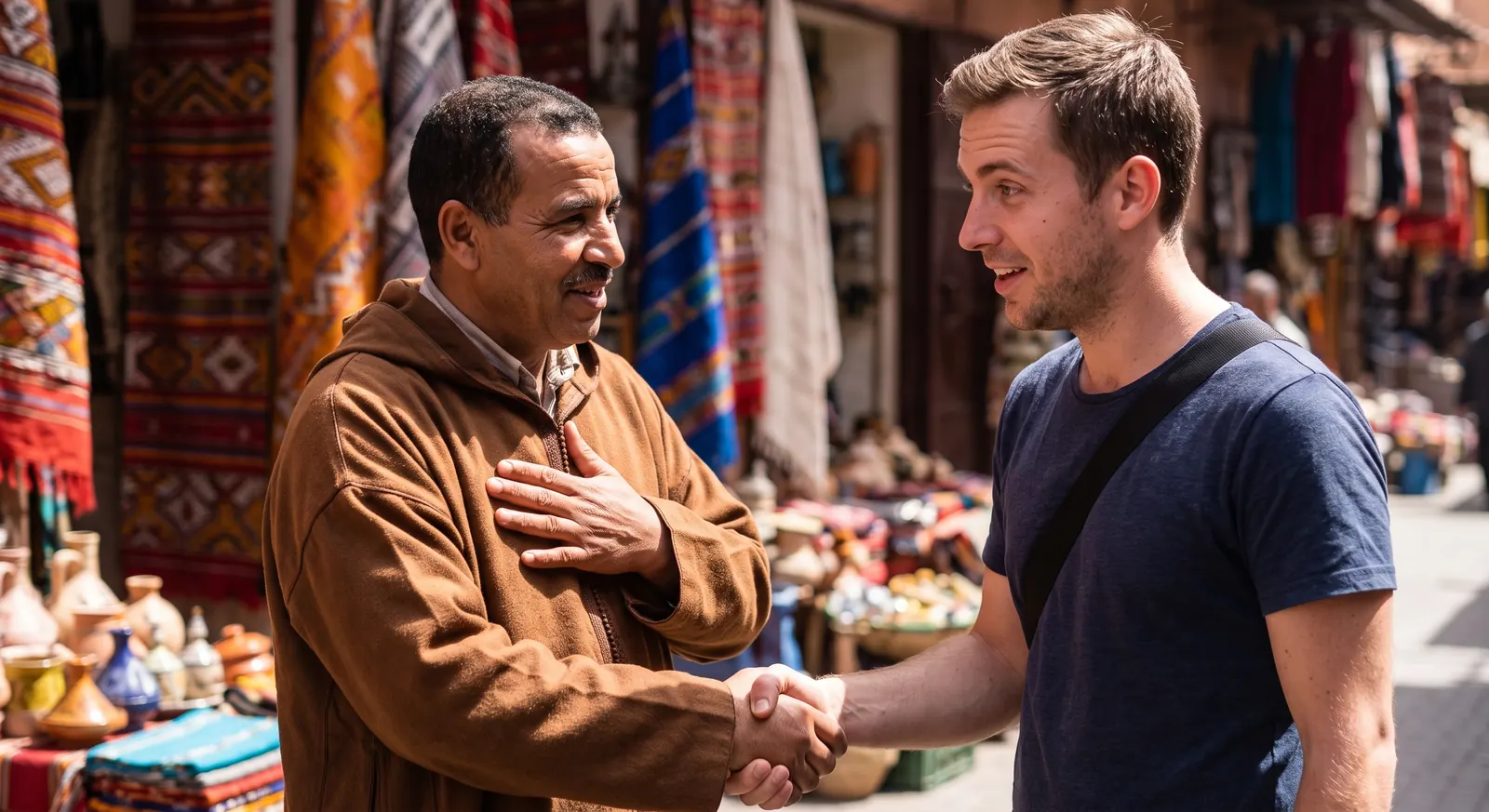
Things That Are Not Rude in Morocco — But Western Travelers Sometimes Think They Are
Learn Morocco etiquette before your trip: saying no, bargaining in souks, tipping, refusing food, personal questions and everyday Moroccan social customs.