
Is Morocco Racist? What Black Travelers Should Know Before Visiting
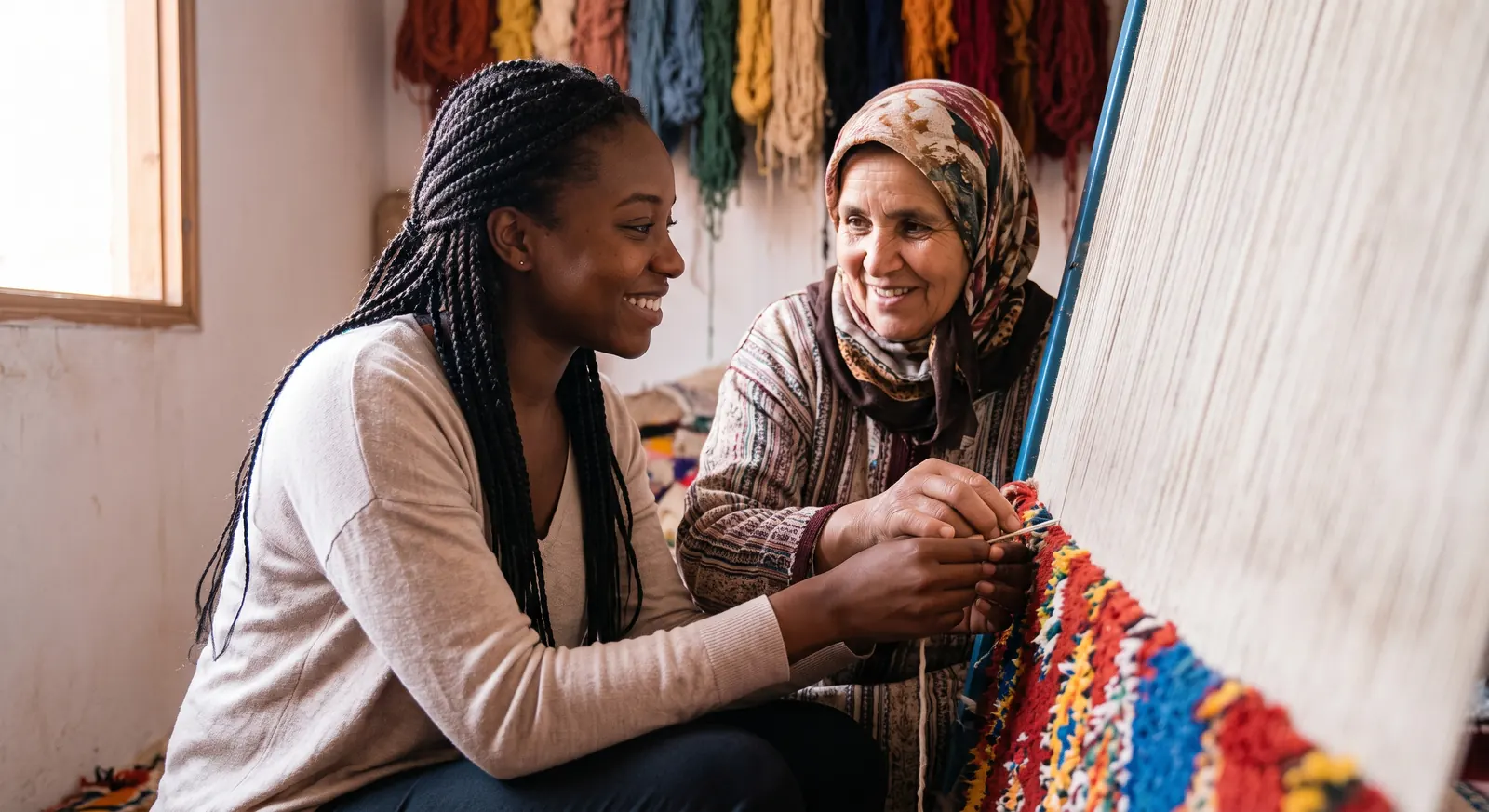
An honest guide for Black travelers in Morocco covering racism, cultural differences, Marrakech, security checks, local interactions and practical travel advice.
If you’re a Black traveler considering a trip to Morocco, you may have come across questions or concerns about racism in the country.
As a Moroccan who works in tourism and regularly welcomes travelers from different parts of the world, I want to give you an honest perspective — not tell you that racism doesn’t exist, but also not let a few experiences or stories give you the impression that Morocco is a country where you should expect to be treated badly because of your skin color.
Morocco Is Not the Same as the Country You Are Coming From
One of the biggest things to understand when traveling is that people don’t always have the same cultural references, social rules or understanding of certain words.
A behavior that is completely unacceptable in the United States, the UK or another Western country may not carry exactly the same meaning in Morocco.
That doesn’t automatically make the behavior acceptable. It simply means that sometimes there is a difference between what someone intends to say and how it is received by the person hearing it.
Morocco has a large and diverse population, including Black Moroccans who have been part of Moroccan society for generations. Being Black is not something completely unfamiliar or unusual here.
You may therefore hear Moroccans casually describe someone by their appearance — for example, saying “the Black guy” when referring to someone whose name they don’t know.
In some contexts, the person saying this may simply be describing the person they are talking about, rather than expressing hatred or trying to insult them.
However, there is an important distinction: a description can be culturally casual without being appropriate in every situation. If someone is uncomfortable with the way they are being described, that feeling is valid.
What About the N-Word?
This is something I especially want to clarify because I have personally witnessed situations involving young Moroccans using the N-word.
Sometimes young people hear the word through American music, rap, movies or social media and repeat it without understanding the historical and racial meaning it carries for Black people, particularly in the United States.
I have seen young people use it as if it were simply a word they heard in a song or as a way of talking to someone they consider a friend.
That doesn’t make the word harmless.
If you hear someone in Morocco use the N-word, you are absolutely allowed to find it offensive. At the same time, it is worth understanding that the person may not fully understand the history behind the word or the impact it has on you.
In other words, ignorance and racism can sometimes look similar from the outside, even though the intention behind them may be different.
The best response can simply be to make your discomfort clear and move away from the situation rather than assuming that everyone around you shares the same attitude.
You May Experience Curiosity
Morocco receives visitors from all over the world, but not every Moroccan has the same exposure to international travelers.
Depending on where you are, you may sometimes notice people looking at you, asking where you are from, or commenting on your appearance.
For some travelers, this can feel uncomfortable.
Sometimes it is genuine curiosity. Sometimes it can be ignorance. And sometimes, unfortunately, it can cross the line into prejudice or discrimination.
The important thing is not to assume that every interaction has the same meaning.
If someone is simply curious, a friendly conversation can often end it.
If someone is disrespectful, you don’t have to tolerate it.
What About Security Checks?
Another concern I sometimes hear from travelers is:
“Will Moroccan police or security stop me because I’m Black?”
Morocco has security checks in places such as airports, clubs, nightlife venues and other busy areas.
From my own experience as a Moroccan, being stopped or asked questions by security is not something that only happens to Black people.
I have personally been stopped at clubs, bars, airports and other places.
Security procedures can sometimes feel strict, and as a visitor you may not immediately understand why you are being questioned.
If this happens to you, don’t automatically assume that it is because of your skin color.
At the same time, if you genuinely feel that you are being treated differently because of your race, you should trust your judgment and seek help from your accommodation, tour operator or another trusted local person.
Does Racism Exist in Morocco?
It would be dishonest to say that racism does not exist in Morocco.
It does.
Research and human-rights reporting have documented anti-Black discrimination in Morocco, including discrimination affecting Black Moroccans and Sub-Saharan African migrants. A 2022 Arab Barometer survey cited by the U.S. State Department found that 37% of respondents considered racial discrimination a problem in Morocco, while around four in ten recognized anti-Black racism as a significant problem. (State.gov)
So I don’t want to tell Black travelers, “Don’t worry, Morocco has no racism.”
That would be unfair to people who have experienced it.
But I also don’t believe it is fair to describe Morocco as a country where Black travelers should expect racism everywhere they go.
Both statements can be true:
Racism exists in Morocco, and a Black traveler can have an amazing, welcoming and completely normal experience here.
My Advice to Black Travelers
Come to Morocco with an open mind, just as I would encourage anyone to do when visiting another country.
You may encounter things that feel strange or uncomfortable because Moroccan culture is different from what you are used to.
Sometimes it will simply be cultural difference.
Sometimes someone may be ignorant.
And sometimes you may genuinely encounter prejudice.
Don’t feel that you have to excuse disrespect just because you are a visitor.
But at the same time, don’t let one person’s behavior define an entire country or an entire people.
Talk to locals. Ask questions. Tell your guide if something makes you uncomfortable. And if you are traveling with a local professional, don’t hesitate to ask them about something you don’t understand.
Come Experience Morocco for Yourself
Morocco is a country of many cultures, languages, backgrounds and communities.
You can walk through the streets of Marrakech, explore the Atlas Mountains, meet families in the countryside, spend a night in the Sahara and share a meal with Moroccan people who will be genuinely happy to have you in their country.
As a Moroccan working in tourism, my advice is simple:
Don’t come expecting Morocco to be perfect. Come expecting it to be different.
You may experience cultural differences that you don’t immediately understand. You may encounter someone who is ignorant or disrespectful. But you will also meet incredibly welcoming people, make genuine connections and experience a country that is much more diverse and complex than what you may have read online.
And if something happens that you don’t understand, ask.
Sometimes a little cultural context can completely change how you understand an interaction.
Morocco is not perfect — no country is. But don’t let fear of racism stop you from discovering it for yourself.
What the Travel Experience Can Look Like for Black Visitors
Black travel in Morocco cannot be reduced to a single story. A traveler spending a weekend in an international hotel in Marrakech may have a very different experience from someone spending several weeks moving through smaller towns, nightlife venues and rural communities. Personality, language, location, social context and the people you meet can all affect the trip.
Many Black travelers visit Marrakech, Fez, Chefchaouen, Essaouira, the Atlas Mountains and the Sahara without racism becoming the defining feature of their journey. Others report uncomfortable comments, staring, stereotypes or discriminatory treatment. Both types of experiences deserve to be acknowledged. An honest Morocco travel guide should make room for positive experiences without dismissing negative ones.
African American Travelers in Morocco: Cultural Context Matters
For African American travelers in Morocco, certain words, jokes or ways of describing people may carry different cultural baggage from what they do in the United States. That context can explain why something was said, but it does not require you to accept language that makes you uncomfortable. You can tell a guide, driver or hotel staff member that a comment is not okay, ask for help, or simply leave the interaction.
It is also useful to remember that Morocco sits in North Africa and has long historical, cultural and economic connections with Sub-Saharan Africa. Moroccan identity is diverse, and conversations about race, color, migration and belonging can be complex. A short tourist interaction rarely captures that complexity.
Practical Advice for Black Travelers in Marrakech and Beyond
Choose accommodation with strong recent reviews, use reputable transportation, and keep the contact details of your riad, hotel or travel company available. If an interaction feels confusing, ask a trusted local person for context. If it feels threatening or discriminatory, prioritize your safety rather than debating the situation.
Traveling with a professional local guide can also make cultural interpretation easier. A guide can explain whether a comment was a normal local expression, poor taste, or something more serious, and can step in when necessary.
Frequently Asked Questions for Black Travelers in Morocco
Is Morocco safe for Black travelers? Many Black travelers visit Morocco safely and have positive experiences. Racism and discrimination do exist, so experiences can vary by person and situation.
Do Black tourists experience racism in Marrakech? Some travelers report prejudice or offensive comments, while many others report welcoming and ordinary travel experiences. One experience should not be treated as universal.
Will people stare at Black travelers in Morocco? It can happen, especially in places with less exposure to international visitors. Staring can reflect curiosity, but context matters and travelers are entitled to set boundaries.
What should I do if I experience discrimination in Morocco? Move away from the situation if needed and seek support from your hotel, riad, tour operator, guide or another trusted local contact.
Should fear of racism stop a Black traveler from visiting Morocco? That is a personal decision, but the existence of racism does not mean that every Black visitor will have a negative trip. Research, preparation and trusted local support can help you travel with more confidence.
Continue planning
Related Morocco travel advice
Time-sensitive information last checked: 26 August 2026.
Read next
More Morocco Travel Guides
View All Guides →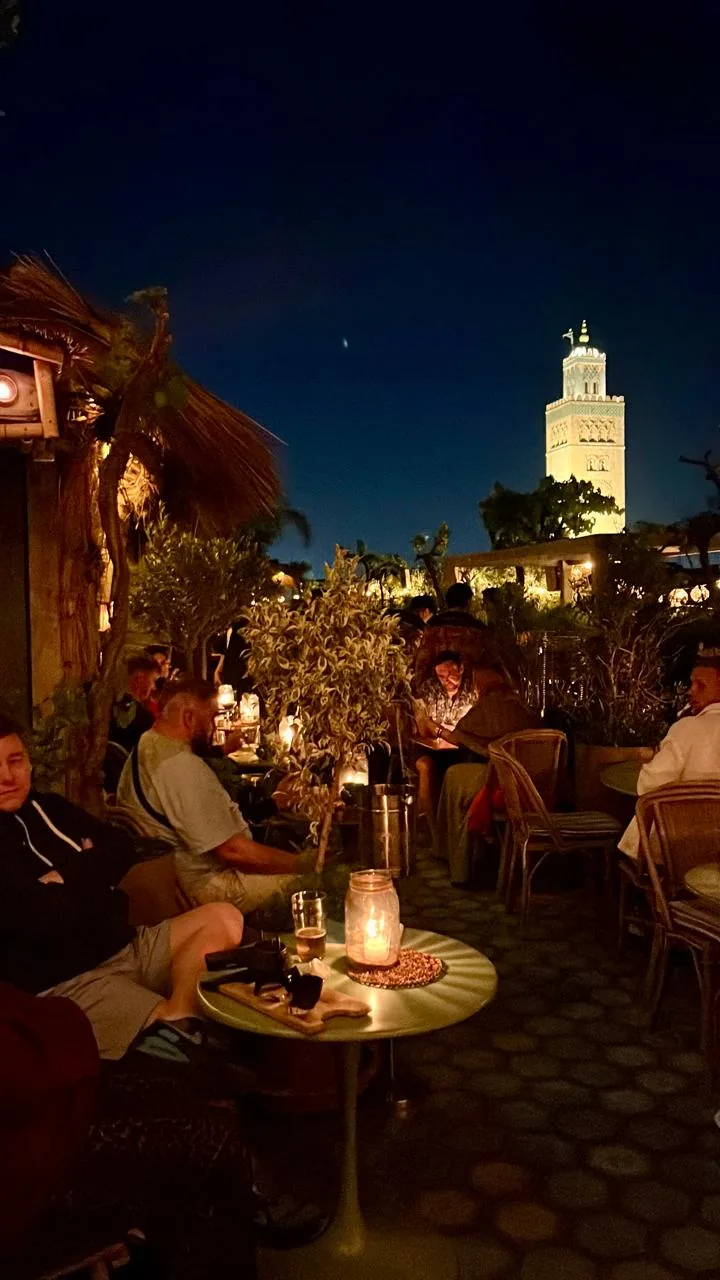
Marrakech Best Of: Our Local Picks
Our favorite rooftops, restaurants, cafés and riads in Marrakech — handpicked by Mouha Travel.
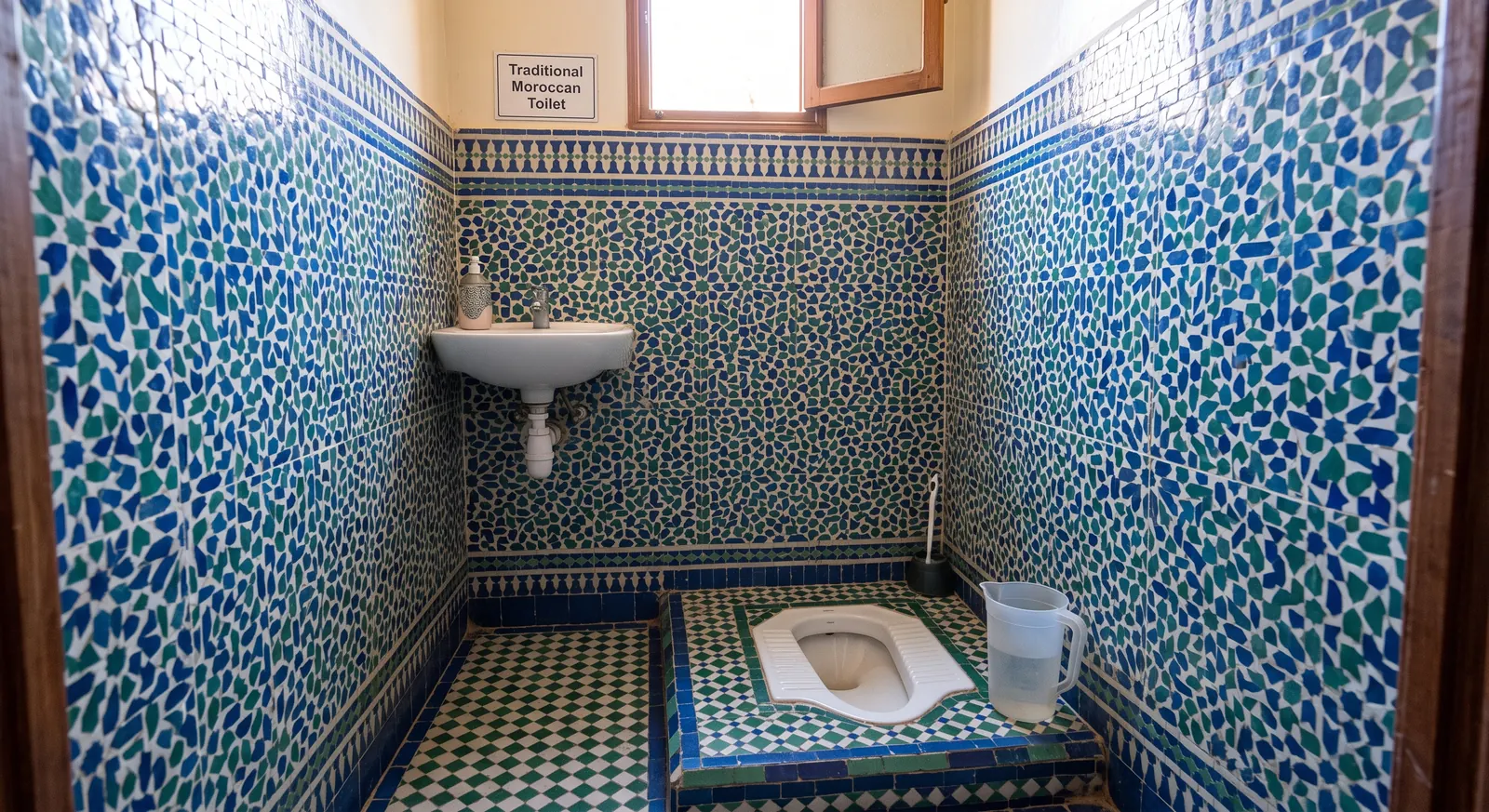
Bathrooms in Morocco: What Travelers Should Know Before Visiting Marrakech and Beyond
Wondering what bathrooms are like in Morocco? Learn about toilets in Marrakech, squat toilets, toilet paper, road-trip stops and Sahara desert camp bathrooms.
Things That Are Not Rude in Morocco — But Western Travelers Sometimes Think They Are
Learn Morocco etiquette before your trip: saying no, bargaining in souks, tipping, refusing food, personal questions and everyday Moroccan social customs.