
Filming & Photography in Morocco: What Travelers and Creators Should Know
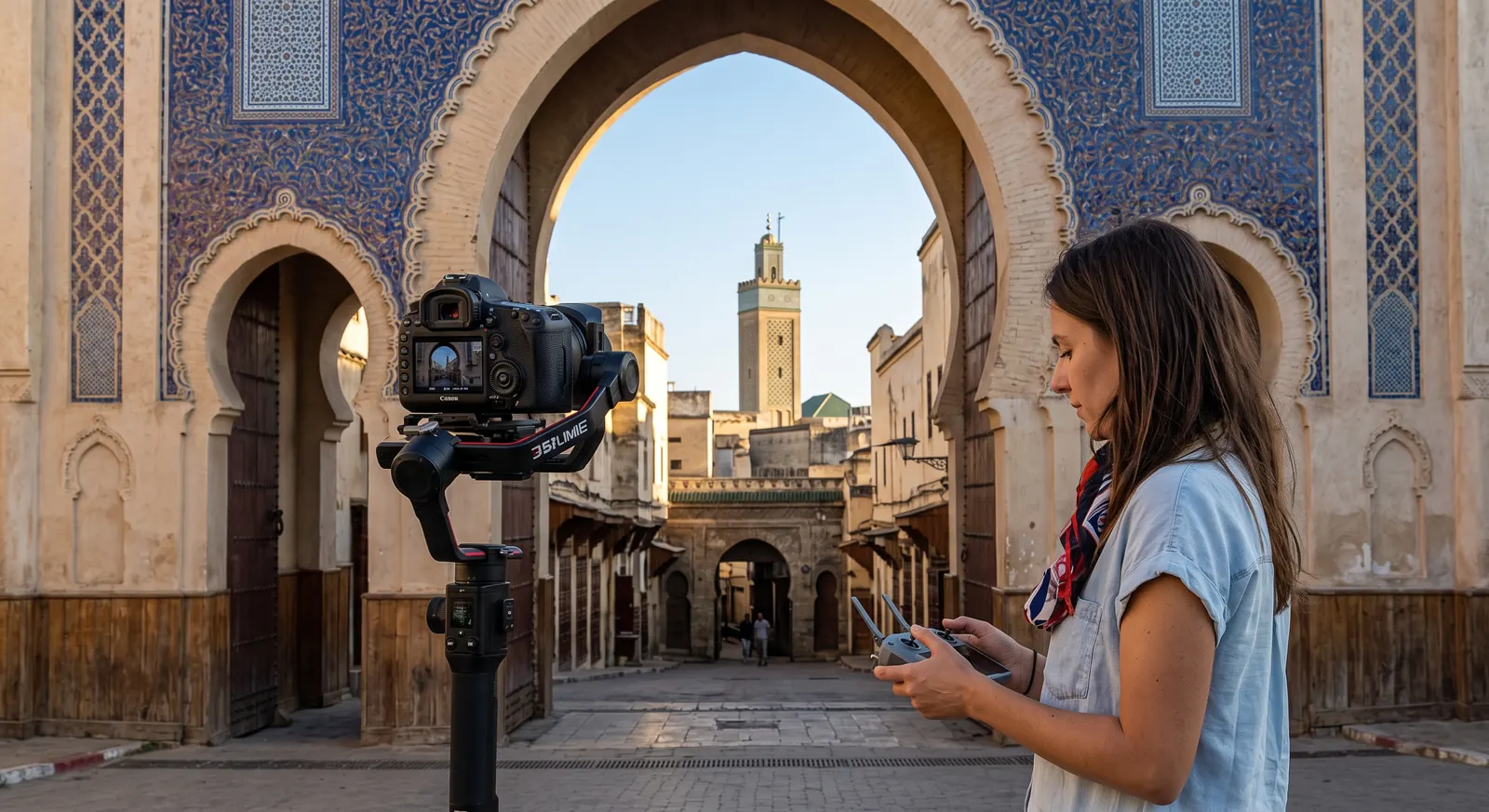
Planning photography or filming in Morocco? Learn how to film respectfully in Marrakech, souks and villages, plus drone, camera and Sahara photography tips.
Morocco is an incredible country for photography and video.
From the colorful streets of Marrakech and the blue alleys of Chefchaouen to the Atlas Mountains, traditional souks and the Sahara Desert, you can find something worth filming almost everywhere.
Whether you’re using a phone, a GoPro, a professional camera or a full vlogging setup, Morocco gives you plenty of opportunities to create amazing content.
But there are a few things worth knowing before you start filming.
You Can Film — But Be Respectful
In tourist areas, streets, landscapes and many public spaces, taking photos and videos is generally straightforward.
The most important rule is simple:
Respect people.
Morocco is full of interesting characters and beautiful everyday moments, but the people around you are not automatically part of your content.
If you want to take a close-up photo or video of someone, especially a shopkeeper, craftsman, street performer or local resident, ask first.
A simple:
“Can I take a photo?”
or even a smile and gesture toward your camera can be enough.
Most people will appreciate you asking, and sometimes a simple photo can turn into a great conversation.
The Souks Are Perfect for Content
The souks are one of the best places in Morocco for photography and video.
You’ll find colorful spices, handmade carpets, leather goods, lanterns, pottery, traditional workshops and endless movement.
But remember that these are people’s businesses.
If you’re filming inside a shop or workshop, especially for a vlog, YouTube video or commercial content, it’s better to ask first.
And don’t be surprised if a shopkeeper says no.
Why Would a Shop Refuse?
Some artisans have unique handmade pieces, particularly carpets, rugs, jewelry and other crafts. They may not want detailed videos of their designs online because they are concerned about their work being copied.
Others simply don’t want their shop or business appearing online.
There can also be another reason: some sellers may not want their prices recorded and shared publicly. Prices in Moroccan markets can depend on the product, quality, negotiation and customer, and some shopkeepers simply don’t want a video showing what they charged someone.
Whatever the reason, if someone says no filming, respect it.
Don’t argue and don’t secretly continue recording.
There are thousands of other beautiful things to capture.
Don’t Put the Camera in Someone’s Face
This is especially important when filming in busy markets.
A wide shot of a crowded souk is very different from putting a camera directly in someone’s face.
If someone looks uncomfortable, lower the camera or move on.
You don’t need every person you see to become part of your vlog.
Sometimes the best travel content comes from observing first and filming second.
Be Extra Respectful in Villages
The atmosphere can change considerably when you leave the major tourist cities.
Some villages and rural communities are more conservative and private, and people may not be comfortable being filmed, especially when it comes to their homes, families or everyday activities.
A scene that looks interesting to you may simply be someone’s private life.
If you’re visiting a small village, ask before filming people or their homes and pay attention to how the community reacts.
Sometimes the best thing to do is simply put the camera away, have a conversation and enjoy the moment.
Not everything needs to become content.
Interestingly, once people become comfortable with you, they may actually invite you to photograph or film something you would never have discovered on your own.
Filming in Restaurants, Riads & Hotels
Restaurants, cafés, riads and hotels can make beautiful backgrounds for your content.
But remember that these are private businesses.
If you’re setting up a tripod, using lights, recording interviews or doing a more professional production, ask the management first.
For a quick phone video or a few personal photos, it may be perfectly fine, but professional filming is different.
A quick question before setting up can save you an awkward situation later.
Tell Your Guide That You’re Creating Content
If you’re traveling with a private guide or driver, let them know that you’re interested in photography or creating content.
This can actually make your trip much better.
A local guide may know:
• A quieter viewpoint • A beautiful road • A traditional workshop • A great rooftop • A scenic village • The best time for a particular location • A sunrise or sunset spot
Instead of simply following an itinerary, your guide can help you find opportunities specifically for your content.
They can also help you communicate with locals when you want to photograph or film something.
Pay Attention to Your Guide’s Advice
Your guide can also help you understand when filming might not be appropriate.
If your guide tells you that a particular person or place doesn’t want to be filmed, take their advice seriously.
They understand the local environment and social expectations better than a visitor does.
Sometimes a guide might also suggest moving to another location because filming there could create an uncomfortable situation.
It’s usually better to listen and move on.
Be Careful Around Sensitive Locations
Avoid casually filming sensitive locations such as:
• Military installations • Police facilities • Government buildings • Airports and security areas • Other clearly restricted locations
If someone in authority asks you to stop filming, don’t argue.
Simply put the camera away and ask if there is somewhere appropriate where you can continue.
What About Drones?
If you’re planning to bring a drone to Morocco, don’t assume you can simply arrive and fly it.
Drone use is regulated, and permissions may be required.
If aerial footage is an important part of your trip, check the current Moroccan requirements well before traveling and make sure you have the necessary authorization.
This is particularly important around airports and security-sensitive areas.
Protect Your Equipment
Morocco can be hard on cameras — especially the desert.
If you’re heading to the Sahara, protect your equipment from sand and dust.
Bring:
• Extra memory cards • Spare batteries • Power banks • Charging cables • Lens cleaning cloths • Protective cases
And be particularly careful when changing lenses in dusty or sandy environments.
Your camera may love the desert.
Your camera sensor probably doesn’t.
Don’t Forget to Experience the Moment
This might be the most important advice for anyone traveling with a camera.
It’s very easy to spend an entire sunset trying to get the perfect shot.
Get your footage.
Take your photos.
Then put the camera down.
Watch the sunset.
Listen to the music.
Talk to the people around you.
Enjoy where you are.
Because sometimes the best travel memories are the moments you didn’t film.
Morocco Is Made for Storytelling
You don’t need an expensive camera or a huge production team to create beautiful content in Morocco.
A phone can capture an incredible sunset in the Sahara.
A small camera can capture the energy of a Marrakech souk.
A GoPro can give you an amazing perspective while exploring the Atlas Mountains.
And a simple conversation with a local can become the most memorable part of your entire vlog.
Just remember:
Ask before filming people.
Respect shops that don’t want to be filmed.
Be particularly considerate in conservative villages and rural communities.
Ask businesses before professional filming.
Listen to your local guide.
Be careful around sensitive locations.
Check drone regulations before traveling.
Protect your equipment from sand and dust.
And most importantly:
Don’t let the camera become the reason you miss the experience.
Morocco is beautiful through a lens — but it’s even better when you’re actually there.
Best Places for Travel Photography in Morocco
Photography in Morocco is appealing because the visual character changes dramatically from one region to another. Marrakech offers red walls, tiled courtyards, rooftop views, busy souks and changing light in the Medina. Chefchaouen is known for blue-painted streets. The High Atlas Mountains bring dramatic roads, valleys and Amazigh villages, while the Sahara creates completely different opportunities for sunrise, sunset, silhouettes and night-sky photography.
If photography is an important part of your Morocco itinerary, think about time of day as much as location. Early mornings can give you quieter streets in Marrakech, while late afternoon often creates softer light in the desert and mountains. A private itinerary can be especially useful for photographers because it gives you more flexibility to stop at viewpoints and wait for better conditions.
Street Photography in Marrakech: Ask When the Person Is the Subject
A general street scene and a close portrait are not the same thing. If a person is clearly the subject of your image, asking permission is a respectful habit. Some people will happily agree, some may ask for money, and others may simply say no. Respect the answer. This is particularly important with children, artisans at work and people in smaller communities.
Commercial Filming Versus Personal Travel Content
A short phone clip for your personal travel memories is different from a commercial shoot with tripods, models, lights or a production crew. Professional filming in a hotel, riad, restaurant, heritage site or other controlled space may require permission. If content is connected to a brand campaign, advertisement, documentary or monetized production, check permissions in advance rather than assuming personal-tourist rules apply.
Frequently Asked Questions About Photography and Filming in Morocco
Can tourists take photos in Morocco? Yes, photography is common in tourist areas, but visitors should respect people, private businesses and restricted locations.
Can I film in the Marrakech souks? General filming is common, but ask before filming inside shops or making an individual seller or artisan the main subject.
Can I photograph Moroccan people without asking? For close portraits or identifiable people who are clearly the subject, asking first is the respectful approach.
Can I use a drone in Morocco? Drone use is regulated and may require authorization. Check current official requirements before traveling with a drone.
What camera gear should I take to the Sahara? Bring spare batteries, memory cards, cleaning equipment and protection against sand and dust. Avoid changing lenses unnecessarily in windy desert conditions.
Is Marrakech good for travel photography? Yes. The Medina, souks, architecture, rooftops, gardens, food and street life make Marrakech one of Morocco’s most varied photography destinations.
Continue planning
Related Morocco travel advice
Time-sensitive information last checked: 26 August 2026.
Read next
More Morocco Travel Guides
View All Guides →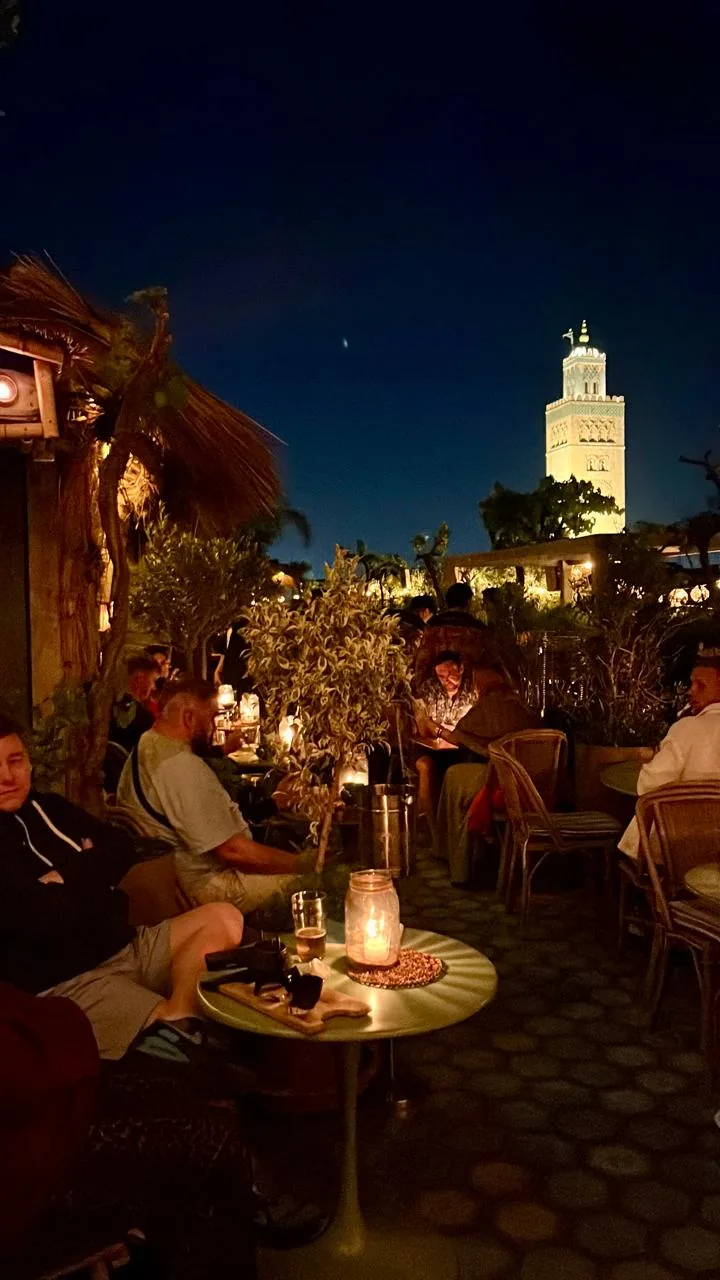
Marrakech Best Of: Our Local Picks
Our favorite rooftops, restaurants, cafés and riads in Marrakech — handpicked by Mouha Travel.
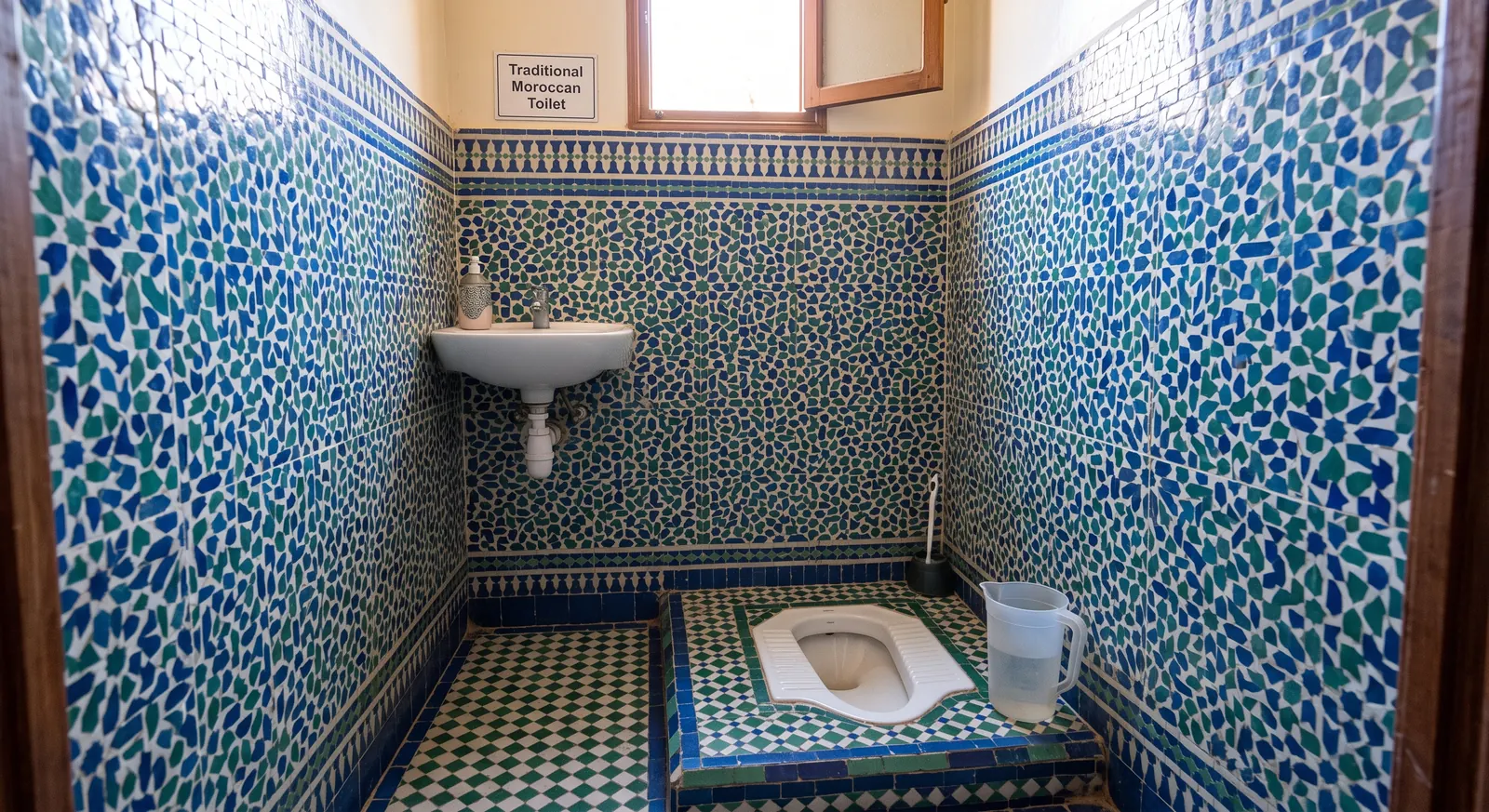
Bathrooms in Morocco: What Travelers Should Know Before Visiting Marrakech and Beyond
Wondering what bathrooms are like in Morocco? Learn about toilets in Marrakech, squat toilets, toilet paper, road-trip stops and Sahara desert camp bathrooms.
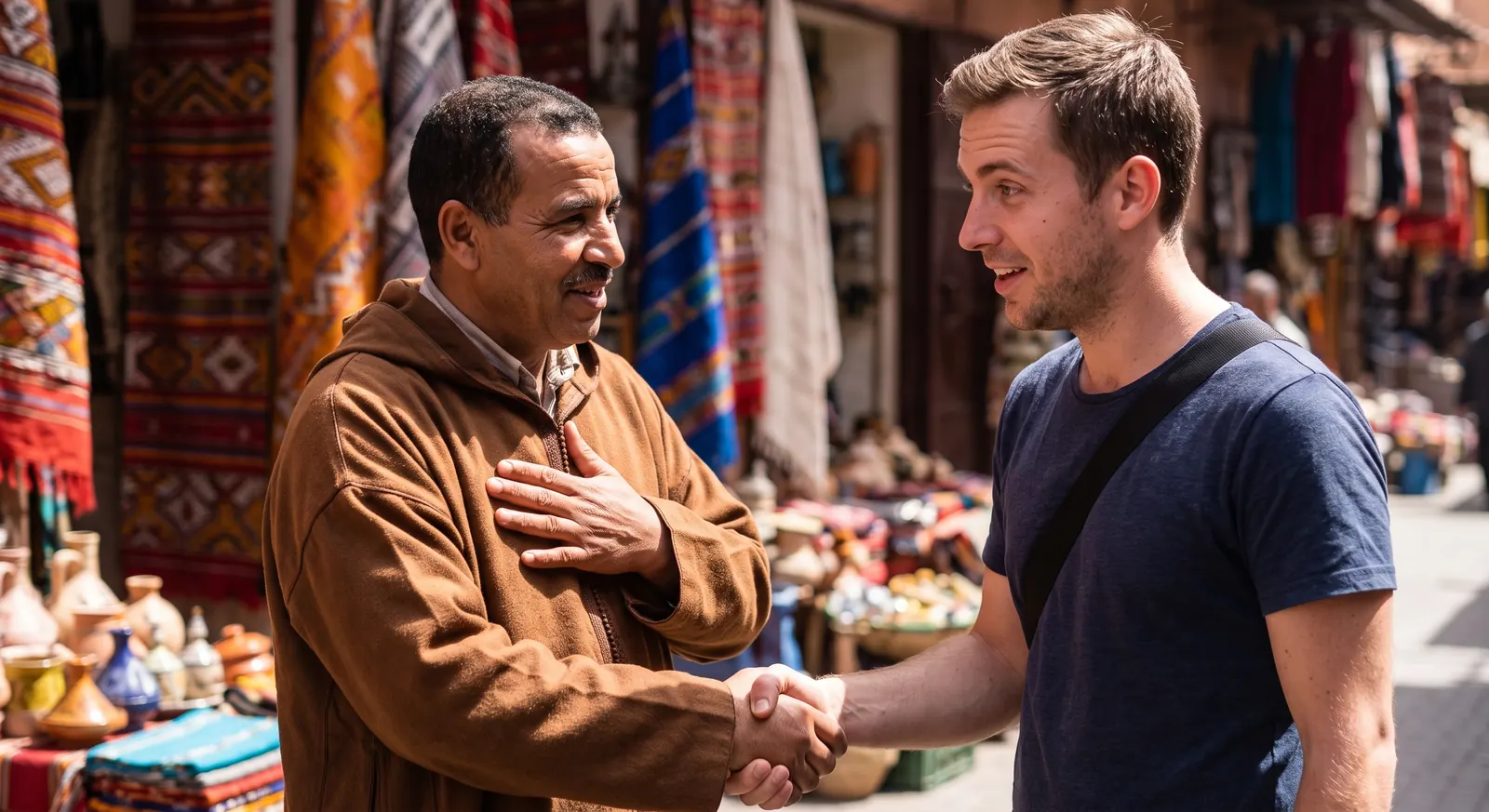
Things That Are Not Rude in Morocco — But Western Travelers Sometimes Think They Are
Learn Morocco etiquette before your trip: saying no, bargaining in souks, tipping, refusing food, personal questions and everyday Moroccan social customs.