
Floods and Road Closures in Southeastern Morocco: What Sahara Travelers Should Know
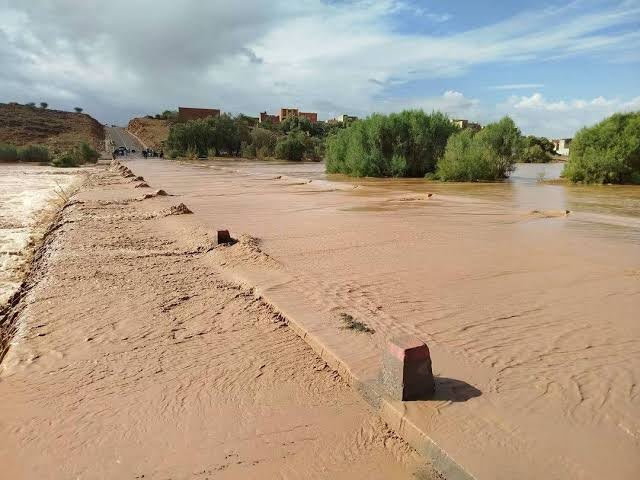
Traveling to the Sahara Desert is one of the highlights of a trip to Morocco. However, heavy rain and flash floods can sometimes disrupt roads in southeastern Morocco, leaving travelers waiting for hours or forcing them to adjust their plans.
Although this region is generally dry, intense thunderstorms can cause riverbeds to fill quickly and make certain roads impassable. This happens mostly during autumn, but it can occur at other times of the year too.
At Mouha Travel, we want travelers to understand where these disruptions can happen and how to deal with them without unnecessary stress.
Where Can Road Closures Happen?
Several areas along the routes connecting Marrakech with the Sahara Desert can be affected by flooding.
- Aït Saoun: Between Ouarzazate and Agdz, on the route toward the Draa Valley and Zagora.
- Imassine: Between Ouarzazate and Kalaat M’Gouna, on the N10 toward the Dades Valley.
- Oued Dadès bridge: On Route 704 in Tinghir Province, where rising water can interrupt traffic.
- Touroug: Between the Merzouga area and Tinghir, where travelers may encounter flood-related disruptions.
- Tansikht–Agdz: An important stretch for travelers visiting the Zagora Desert or returning from Merzouga through Nkob toward Marrakech.
These areas are relevant to travelers following the Marrakech–Ouarzazate–Dades–Merzouga route, as well as those traveling through Nkob and the Draa Valley. Conditions change depending on the location and intensity of rainfall, so these roads are not necessarily closed whenever it rains.
What Happens When a Road Closes?
Depending on the weather and water levels, a road closure may last a few hours or longer. Travelers can face delays, missed hotel check-ins, or changes to their desert itinerary.
I experienced this myself when I got stuck for three hours just after Ouarzazate. Other travelers have also encountered delays around Touroug and along routes through the Draa Valley.
Even experienced drivers cannot predict exactly when a flooded road will reopen. Sometimes the best option is simply to wait for the authorities to assess the situation.
Choose the Right Vehicle
If you are planning a road trip through southeastern Morocco, traveling in a suitable vehicle with good ground clearance can be helpful, especially on rough or uneven roads. A Toyota Land Cruiser is one example of a vehicle commonly used for this type of travel.
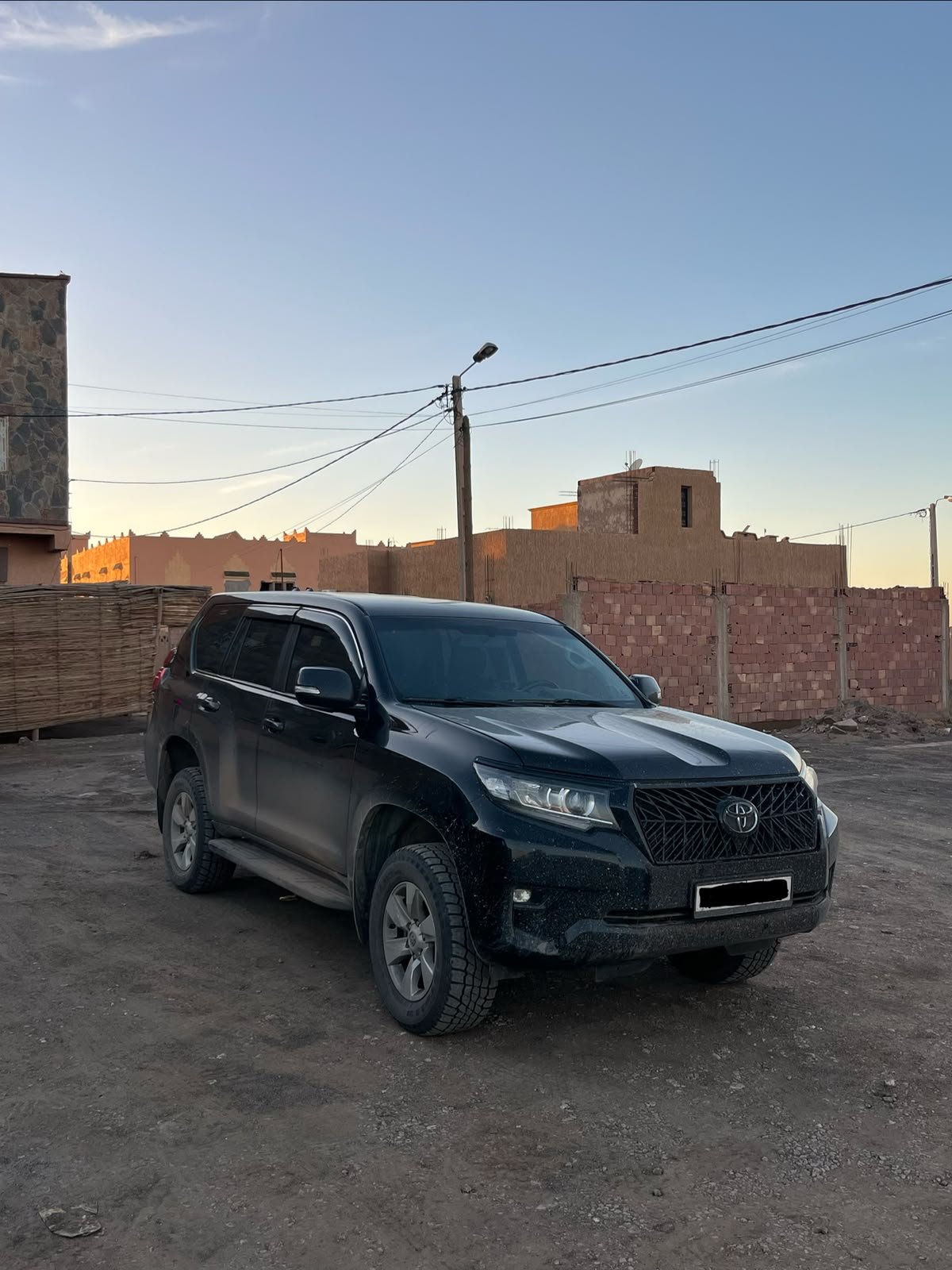
However, even a high-clearance 4x4 cannot guarantee safe passage through flooded roads or fast-moving water. Never attempt to cross floodwater or bypass an official road closure, regardless of the vehicle you are driving. Always wait for the authorities to confirm that it is safe to continue.
What Should You Do If You Get Stuck?
First of all, stay calm and listen to your driver or guide. They can help you understand the situation and assess your options.
Depending on the circumstances, you may be able to:
- Wait for the road to reopen. If the closure is temporary, traffic may resume once the authorities confirm that it is safe.
- Stay overnight nearby. Towns and villages along these routes have guesthouses and hotels where you may be able to spend the night.
- Take an alternative route. A longer route may be possible, especially if you need to return to Marrakech for a flight. Always confirm that the alternative is open and safe before setting off.
The right decision depends on how long the road may remain closed, where you are, and what you have planned for the following day.
Don’t Let a Road Delay Ruin Your Trip
If you find yourself waiting because of a flood-related road closure, don’t stress too much. Sometimes these unexpected moments become part of the travel experience.
If the police have closed the road, wait patiently until they confirm it is safe to cross. In the meantime, relax, listen to some music, play cards with your travel companions, and enjoy the moment.
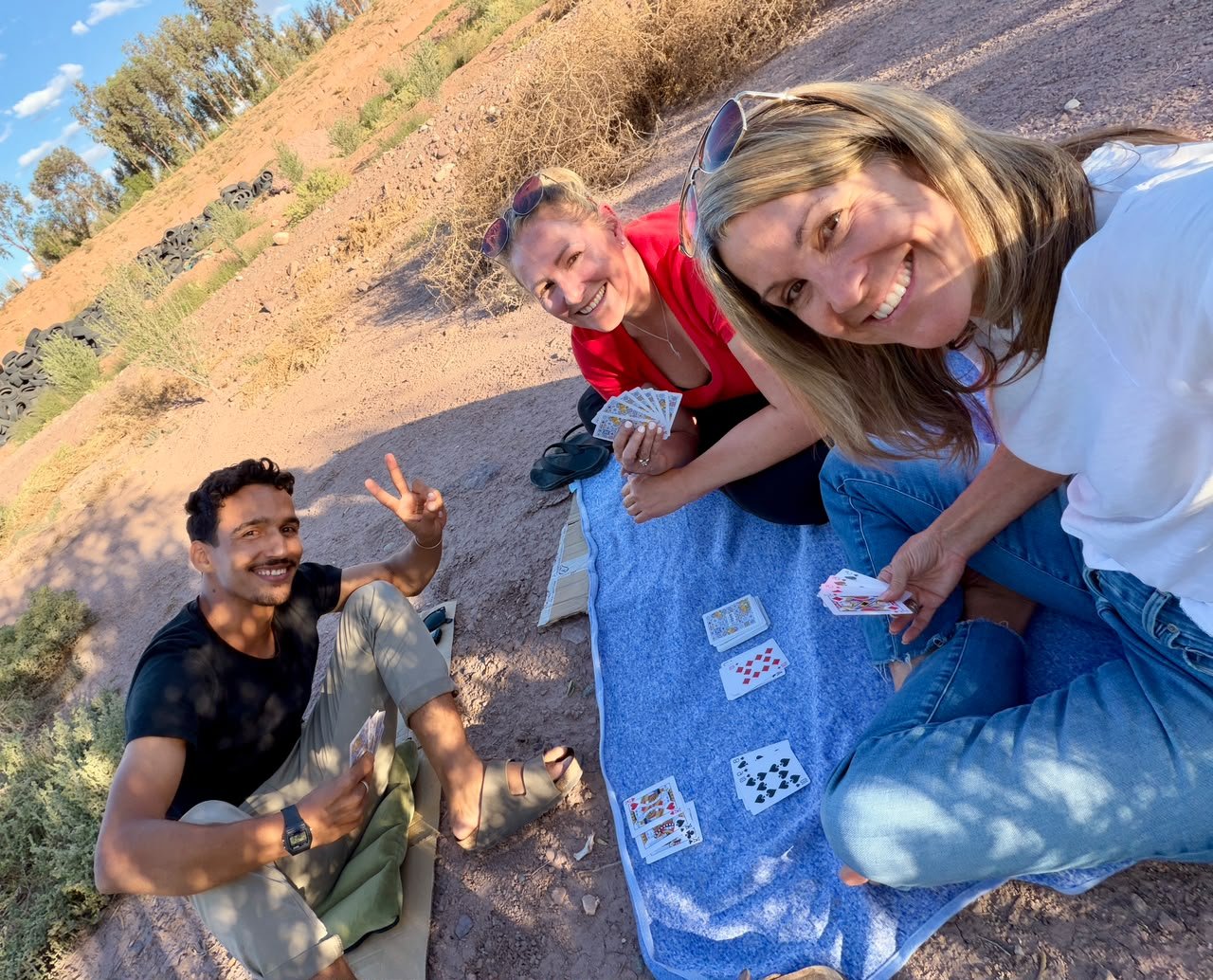
Of course, if you have a flight or an important connection the next day, speak with your driver or guide about your options.
What If You Have a Flight From Marrakech the Next Day?
If you are returning from the Sahara and have a flight the following day, road closures deserve particular attention. A delay in southeastern Morocco can affect your entire return journey.
Check the weather forecast before departure, discuss your schedule with your tour operator, and leave enough flexibility in your plans whenever possible.
If serious weather warnings are issued, reconsidering your itinerary may be safer than relying on an uninterrupted journey.
Final Advice From Mouha Travel
Flood-related road closures are an occasional reality of traveling through southeastern Morocco, but they should not discourage you from discovering the Sahara.
Check road conditions, listen to experienced local drivers, and remain flexible when the weather changes. Sometimes waiting a few hours is enough; in other situations, staying overnight or taking a confirmed alternative route is the better choice.
At Mouha Travel, we organize private tours across Morocco, including journeys to the Sahara Desert. We believe good travel planning means knowing the routes, understanding local conditions, and being ready to adapt when necessary.
Planning a trip to the Sahara? Visit Mouha Travel to explore our tours and plan your journey through Morocco.
Plan Your Sahara Journey With Locals
Read our complete Morocco Sahara Desert guide, or explore our private desert tours from Marrakech and Fes.